

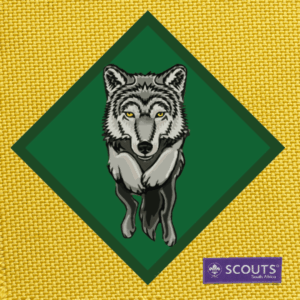
 For a Cub approaching their 11th birthday, the Leaping Wolf badge represents more than the highest award in the Cub programme. It’s an opportunity for them to take ownership of their learning, challenge themselves and develop the independence and confidence needed for the next stage of their lives.
The Leaping Wolf is designed to be completed by the child themselves, while parents and Pack Scouters provide guidance from the sidelines. The Cub is responsible for choosing from the list of requirements, planning and fulfilling the tasks, and recording their achievements in their Leaping Wolf logbook.
This final challenge tests a variety of skills that the Cub would have developed throughout their Cub journey. This includes planning and carrying out a planting project or earning the Food for Life interest badge, which involves planting and harvesting vegetables and learning how to use the produce.

1st Muizenberg Facebook – LW presentations
They must also demonstrate their knotting skills by creating a display of ten knots, research a technology and present their findings to the Pack, and investigate a global issue such as poverty, conservation, or online bullying, and include how they could make a difference.
Their personal challenge is an opportunity for them to step outside of their comfort zone by learning a new skill like using Canva, or taking part in a performance at a local theatre, or organising a community service project like knitting beanies for preemies or making soup for the less fortunate in the winter months. The central idea is to try something that they’ve never done before.
Being able to survive an outdoor adventure is part and parcel of the Leaping Wolf challenge where the Cub needs to complete the Gold Wolf Outdoor Challenge. The Cub must show that they can safely prepare and light an outdoor fire, cook a simple meal using a conservation stove, help pitch a tent or build a shelter, and spend a night in it. They must also understand what to do if they become lost, recognise natural dangers in the veld, make distress signals, read a compass and a map, and participate in a day hike.

1st Vincent Cubs Facebook – First Aid Training
First Aid is a compulsory interest badge. Cubs must understand how to recognise an emergency, get help from an adult and call emergency services. They need to know what the items are in a first aid kit, understand basic CPR principles and know some basic practical skills like treating burns, treating a nosebleed, using a Scout scarf as an arm sling, and placing an unresponsive but breathing person in the recovery position. They also need to understand the health risks associated with smoking and alcohol.
Over and above the must-do’s above, the Cub needs to earn two more interest badges which could include Civil Emergency, Hiking, World Friendship, Linguist, Outdoorsman or Religion and Life.
These experiences equip young children with practical knowledge that helps them look after themselves, their environment and others around them. But, behind these activities lies an equally important learning experience: project management. A ten-year-old must learn to break a larger goal into manageable tasks, plan when and how they will achieve them and manage their time alongside schoolwork and other commitments. Some projects require forward planning and patience, like growing their vegetables. So, the Cub learns that different activities have different timelines.

1st Vincent Cubs Facebook – Bokang receives his LW
At the end, the Cub needs to hand in a logbook where they wrote down what they did, when they completed each task, why they chose those activities, and what they learnt. This develops report-writing, written communication and the ability to reflect on personal experiences. Presenting their research to the Pack in turn builds confidence and public-speaking skills.
The Leaping Wolf badge is not simply a collection of badges to earn. It is a stepping stone as they move into senior phase education and the Scout Troop. For a ten-year-old, completing the Leaping Wolf is a significant achievement as it shows them just how much they are capable of when given the responsibility, encouragement and space to take the lead.